Every outpatient practice has a busy season. For some it arrives with back-to-school and athletic clearance exams. For others it's respiratory season, open enrollment, or the weeks around a local employer's annual screening. The month on the calendar changes from practice to practice - the pattern doesn't.
The schedule that had gaps starts closing up. Walk-ins climb. Routine visits, physicals and urgent complaints stack into the same days, and the time available for any single decision gets shorter. Volume rises, and the margin for delay narrows.
When volume rises, the bottleneck moves
The obvious response to a busy season is to add capacity - more slots, longer days, another provider on the schedule. But in practice, the constraint is rarely the number of appointments. It's the number of unresolved questions leaving the building.
Every patient who walks out with a pending referral becomes downstream work: a chart to reopen, a result to chase, a call to return, a follow-up to schedule, and a small ongoing risk that none of it happens. One unresolved visit generates more administrative load than three straightforward ones.
Cardiac questions are among the most expensive to leave open - clinically, because the differential includes things that shouldn't wait, and operationally, because the referral loop is measured in weeks.
Where the EKG question shows up in a busy season
Sports and back-to-school physicals. Athletic clearance season concentrates a large volume of young, generally healthy patients into a short window - and a small number of them have something worth catching. Requirements vary by state, and some have moved toward making an EKG part of eligibility rather than an optional add-on. Florida's Second Chance Act is one example worth understanding if you clear student athletes: see our guide to the FHSAA EL1 requirement.
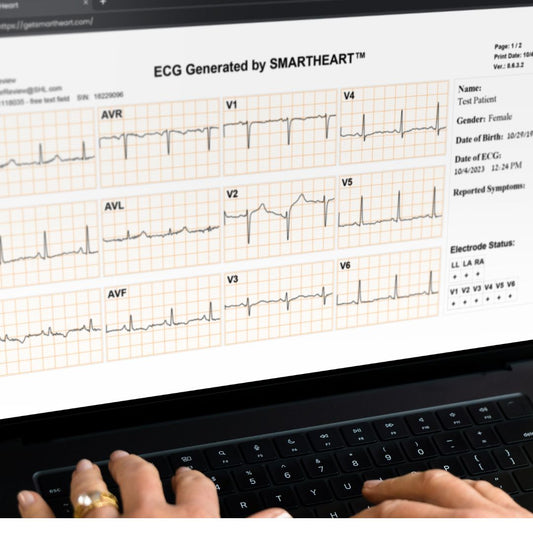
Walk-ins and urgent complaints. Chest tightness, palpitations, near-syncope, new shortness of breath in an older patient. The question in front of you usually isn't whether this is an acute MI - it's whether this can safely wait, and how long. That's a question a 12-lead answers in the room and a referral answers in three weeks.
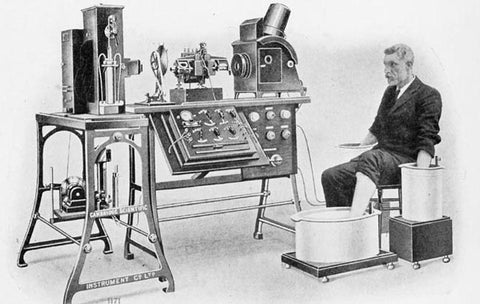
Community screening and care outside the clinic. Health fairs, employer screening events, long-term care rounds, home visits. These are exactly the settings where cardiac assessment has historically been unavailable, because the equipment couldn't travel.
What point-of-care 12-lead EKG changes
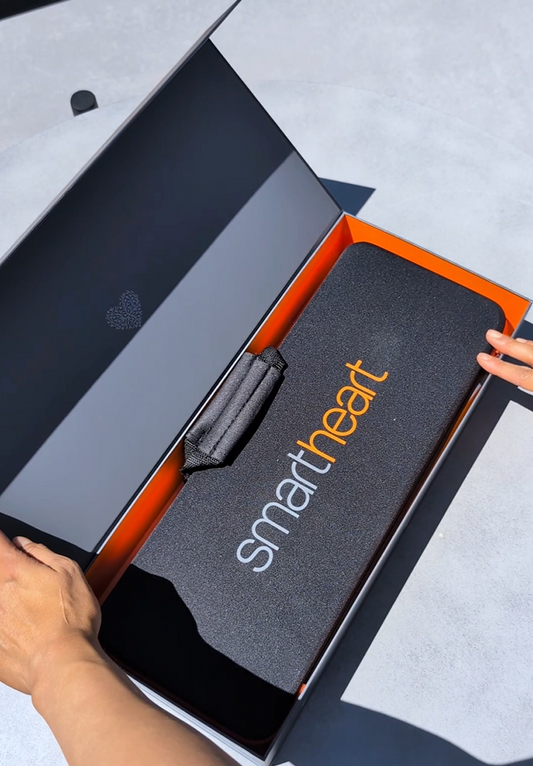
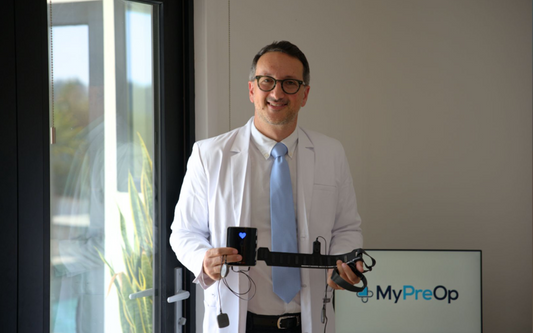
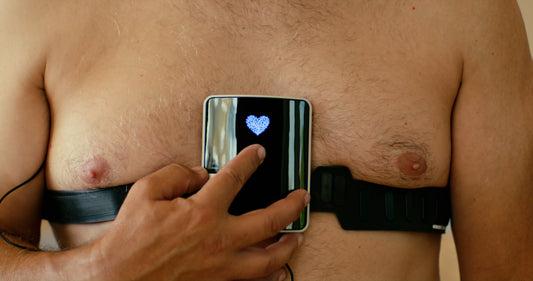
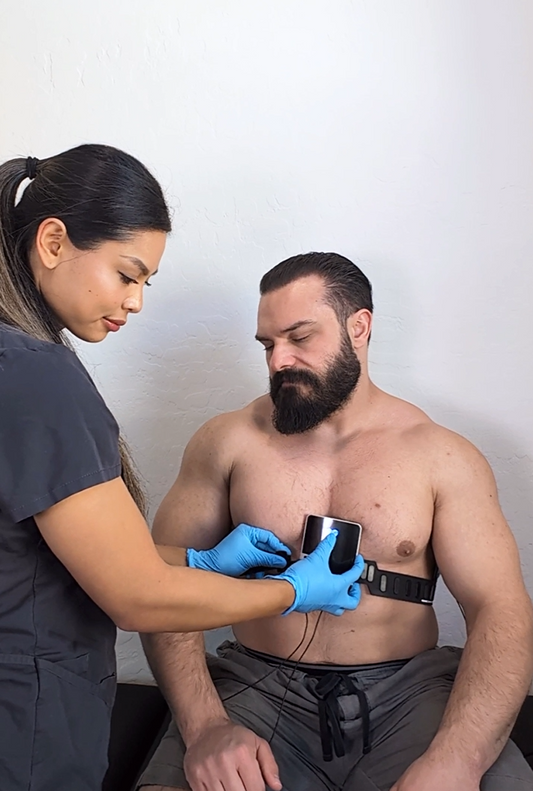
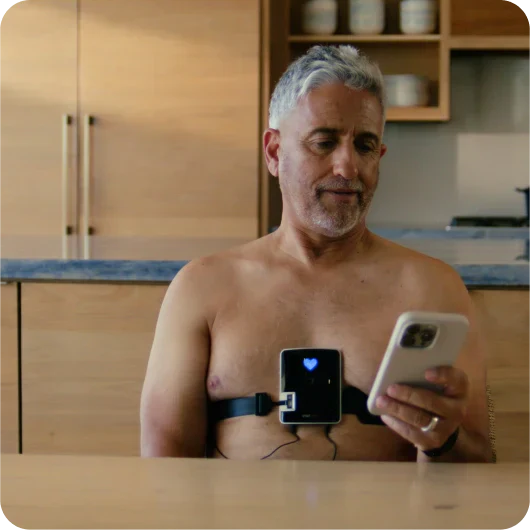
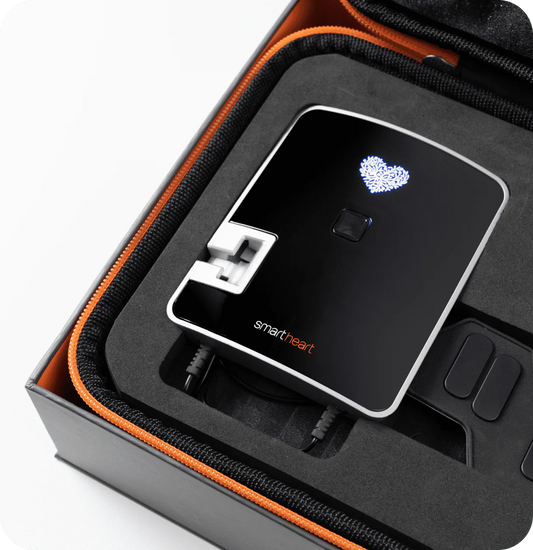
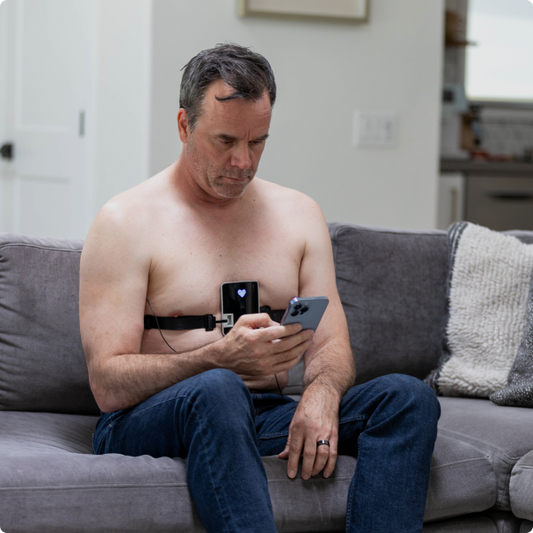
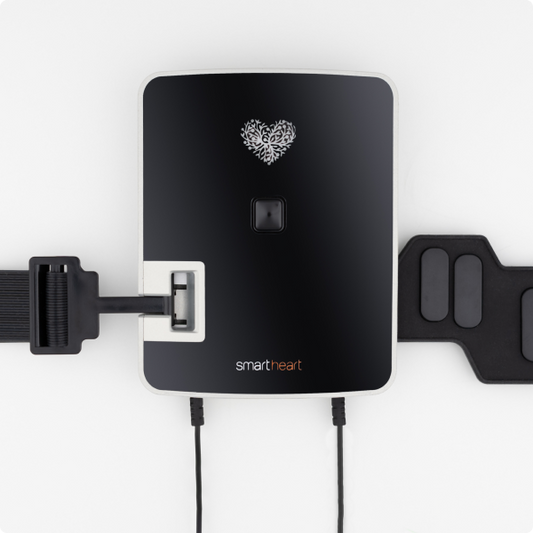
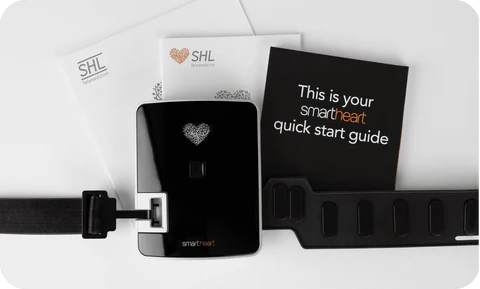
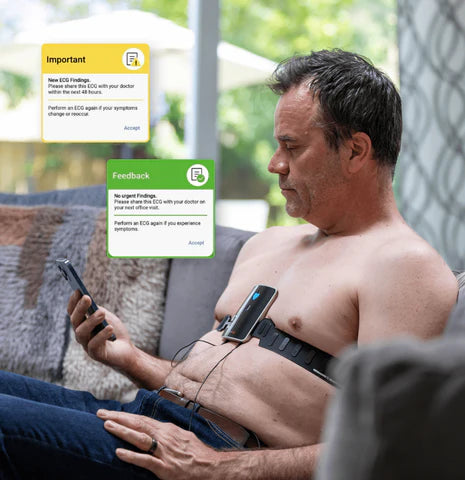
Speed. SmartHeart captures a hospital-grade 12-lead EKG in about 30 seconds. An adaptive-fit belt handles the precordial lead placement, so any staff member - clinical or non-clinical - can perform the capture with app guidance. No training, no certification, no EKG technician.
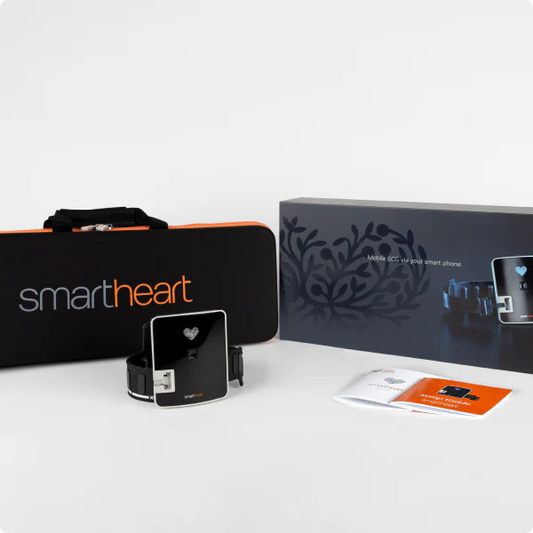
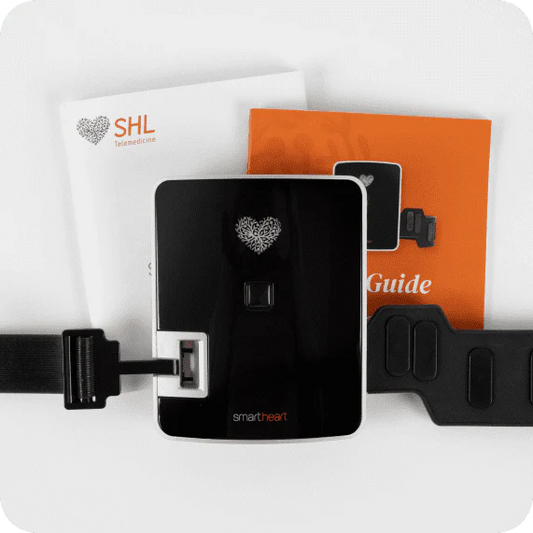
Footprint. No dedicated EKG room and no complex setup. The device weighs about a pound and pairs over Bluetooth with the phone or tablet your staff already carries, which means it works in whichever room is free rather than the one room that's equipped.
Range of settings. The same device serves a clinic exam room, an urgent care bay, a mobile provider's bag, and a community screening table. During a busy season, equipment that only works in one place is equipment that creates a queue.
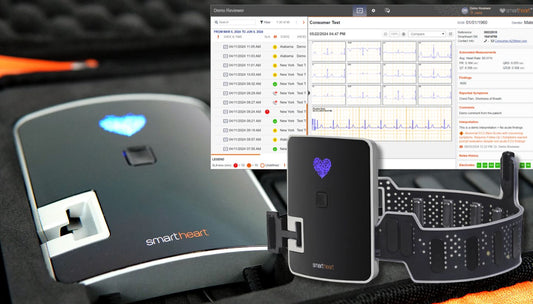
Support behind the read. Every EKG goes to SHL's 24/7 telemedicine center, with unlimited preliminary reviews included in the subscription. When a tracing warrants a closer look, a full cardiologist interpretation is available on demand as a per-test add-on and comes back in 30 minutes or less. SmartHeart is FDA 510(k) cleared for clinical use and is intended to support your clinical judgment, not replace it.
Get the workflow settled before the wave, not during it
Practices that handle a busy season well tend to make their process decisions in the quieter weeks beforehand. Four worth settling now:
- Who captures. Name the roles, not one person - busy season is exactly when your one trained person is out.
- Where it sits in the visit. Rooming, mid-visit, or after the provider exam. Pick one default so it isn't renegotiated every time.
- What the escalation path is. Who reviews, when a full cardiologist read gets ordered, and what happens with an abnormal result at 4:45 on a Friday.
- How it's documented and coded. Confirm with your billing team how in-office EKGs should be coded in your setup, including when interpretation is performed externally.
The season is coming either way
Volume will rise whether or not the workflow is ready for it. The question is whether your team meets it with cardiac questions resolved in the room - or carried out the door with the patient.