For pre-operative clinics, ambulatory surgery centers, sedation dentistry, oral surgery, and any practice that performs procedures requiring cardiac screening.
Why pre-operative ECG often slows the schedule
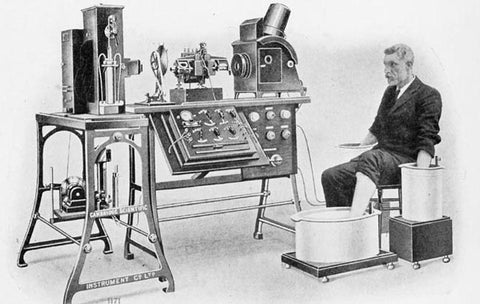
Pre-operative cardiac clearance is one of the most predictable workflow choke points in ambulatory and dental surgical practice. The clinical question is usually well defined — does this patient need cardiac evaluation before this specific procedure? — but the practical answer often depends on a 12-lead ECG that the practice doesn’t own. The patient is sent to an outside lab or primary care, the procedure is delayed, and the practice loses a same-day case.
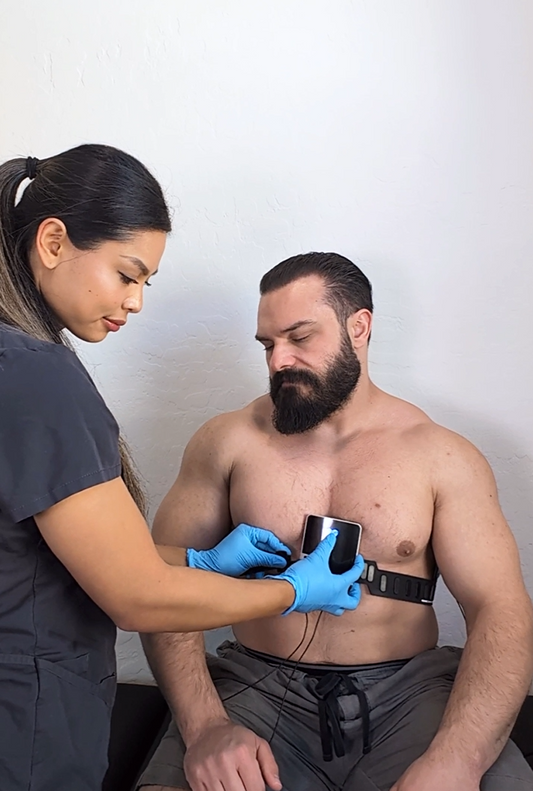
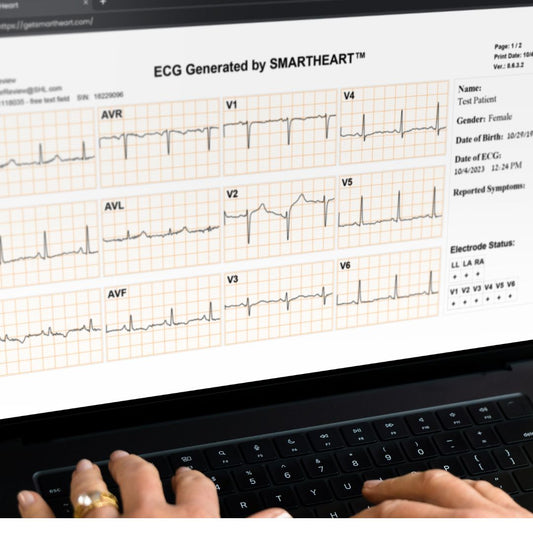
A portable 12-lead EKG operated by trained clinical staff turns pre-op ECG into a same-visit step. Indications are evaluated, ECG is captured in the chair, the surgeon or anesthesiologist reviews the tracing, and the procedure proceeds on schedule.
Guideline-aligned indications for pre-operative ECG
The 2014 ACC/AHA Guideline on Perioperative Cardiovascular Evaluation (and subsequent focused updates) frames the decision around three factors: the patient’s functional capacity, the surgical risk of the procedure, and the presence of cardiac risk factors. A practical synthesis for outpatient and dental sedation use:
- Pre-op ECG is reasonable in patients with known coronary artery disease, significant arrhythmia, peripheral arterial disease, cerebrovascular disease, or other significant structural heart disease undergoing intermediate- or high-risk surgery.
- Pre-op ECG may be considered for asymptomatic patients without known coronary disease undergoing intermediate-risk surgery.
- Pre-op ECG is not useful in asymptomatic patients undergoing low-risk surgery.
Sedation dentistry and oral surgery typically fall into the low-to-intermediate risk category depending on patient comorbidity, planned anesthesia depth, and procedure complexity. The American Dental Association and ASA sedation guidelines both support pre-procedural cardiac evaluation when clinically indicated.

Practical risk stratification — a 60-second framework
An efficient pre-op chair-side framework:
- Patient age and comorbidity profile. Hypertension, diabetes, CAD, heart failure, prior stroke, OSA, BMI, age ≥ 65.
- Functional capacity. Can the patient climb a flight of stairs without symptoms? (≥ 4 METs.)
- Procedure risk category. Sedation depth, expected fluid shifts, duration, body position, airway considerations.
- Recent cardiac evaluation. When was the last ECG or echo? Any change in symptoms since?
- Active symptoms. Chest pain, dyspnea, palpitations, syncope, edema.
Any positive on (1–3) plus equivocal (4–5) typically warrants a pre-op 12-lead ECG before sedation or surgery. A portable 12-lead EKG keeps that test inside your room.
What a pre-op 12-lead ECG screens for
The pre-op 12-lead is not a stress test or an echocardiogram. It is a high-resolution electrical snapshot that screens for findings that change anesthetic and procedural planning:
- Resting rate, rhythm, and irregularly irregular patterns suggesting AFib.
- Conduction disease (bundle branch block, AV block).
- Pre-excitation (WPW) that changes anesthetic medication choices.
- Voltage criteria for LVH and signs of strain.
- ST-T segment changes suggesting active ischemia.
- Q waves indicating prior infarction.
- Baseline QTc, particularly relevant when sedation or pain regimens may include QT-prolonging drugs (ondansetron, methadone, certain antiemetics and antipsychotics).
The streamlined chair-side workflow
A high-functioning pre-op ECG workflow with a portable 12-lead EKG looks like:
- Risk stratification at intake (above).
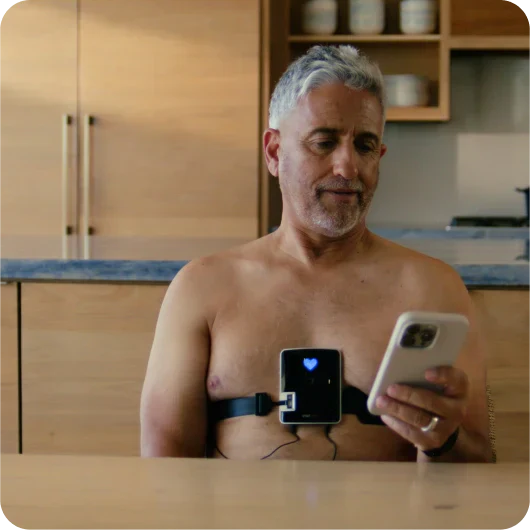
- Portable 12-lead EKG captured by a trained clinical staff member in under a minute.
- Real-time review on the paired tablet or phone; PDF saved to the patient chart.
- Clinician interpretation and report (CPT 93000 family) documented.
- Go/no-go decision communicated before the patient leaves the chair.
For borderline or concerning tracings, the same portable workflow makes it easy to send the recording to a cardiologist for a same-day curbside, with the tracing attached.

Documentation and case-handoff
Pre-op ECG documentation should travel cleanly with the patient. Practical defaults:
- PDF tracing in the procedural chart, time-stamped and clinician-signed.
- Interpretation and report in the operative or sedation note.
- For escalations, the tracing attached to the cardiology consult request.
- HIPAA-compliant cloud storage with role-based access — anesthesia, surgeon, hygiene staff can all see the same tracing on-screen.
Where SmartHeart fits
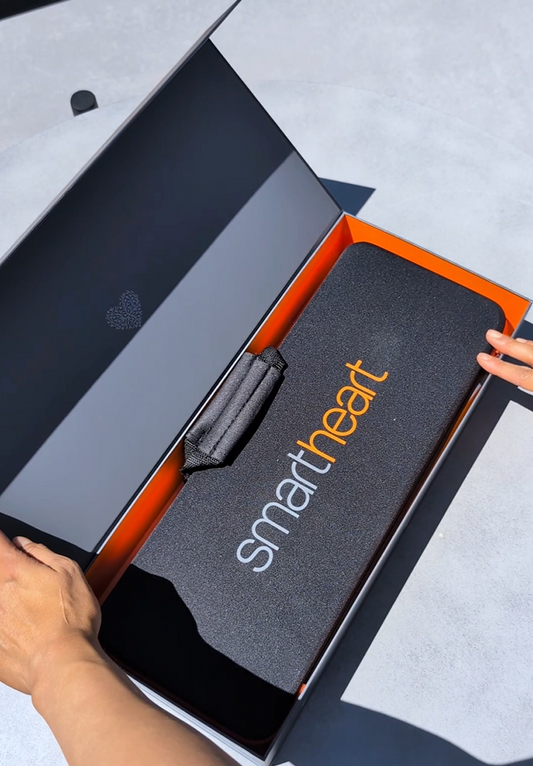
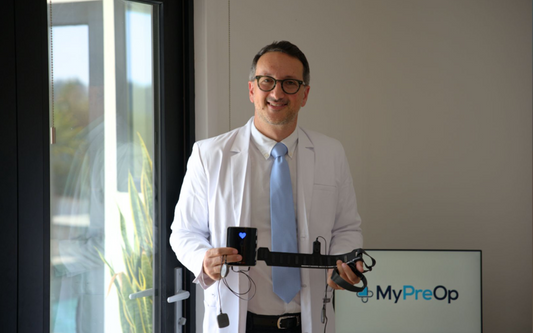
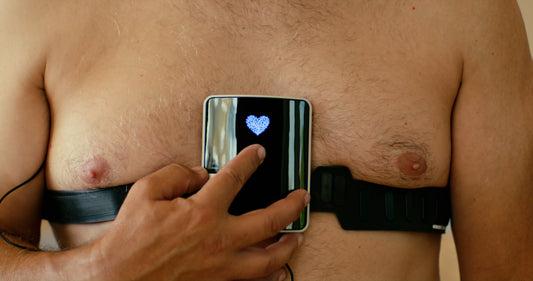
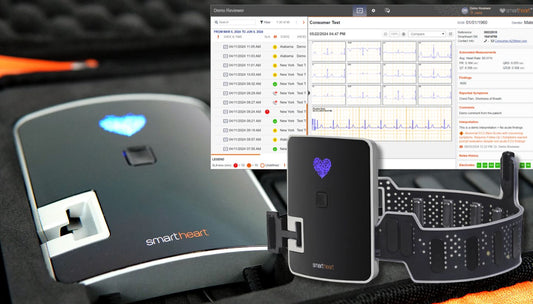
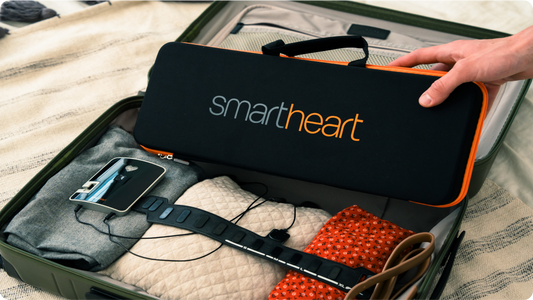
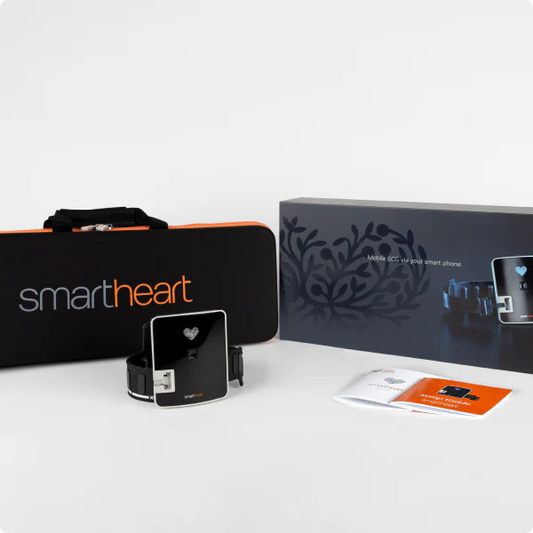
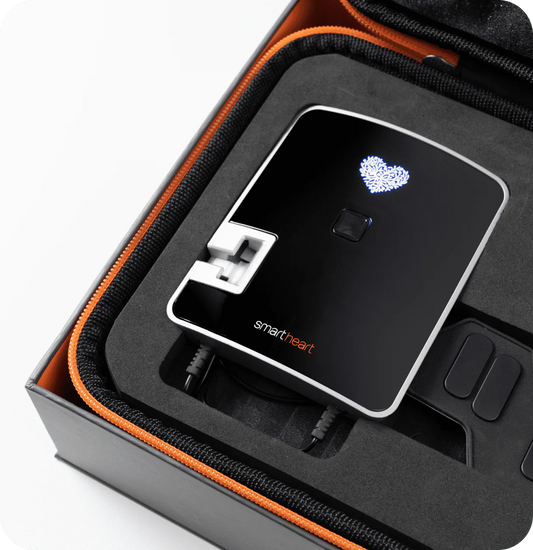
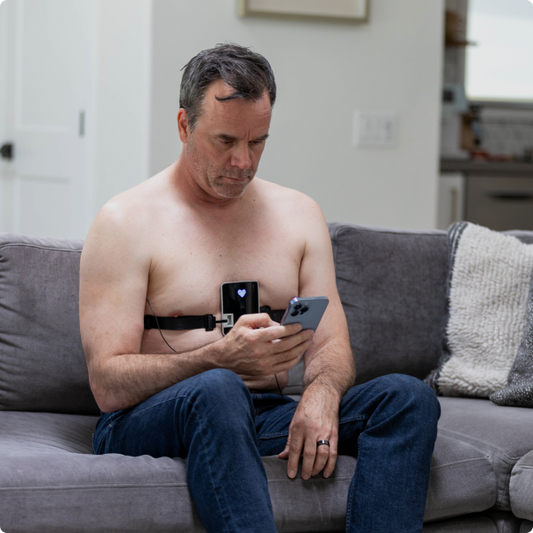
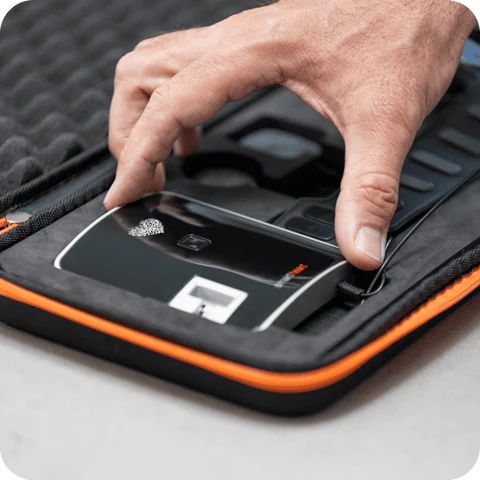
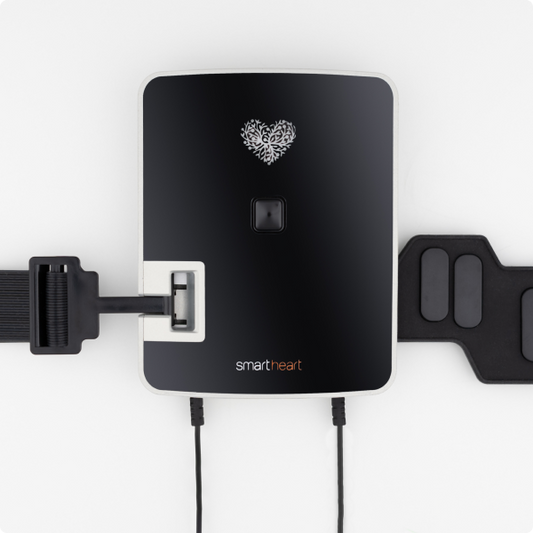
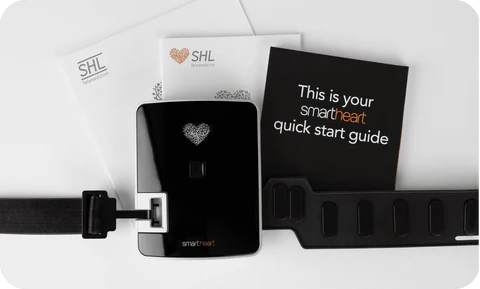
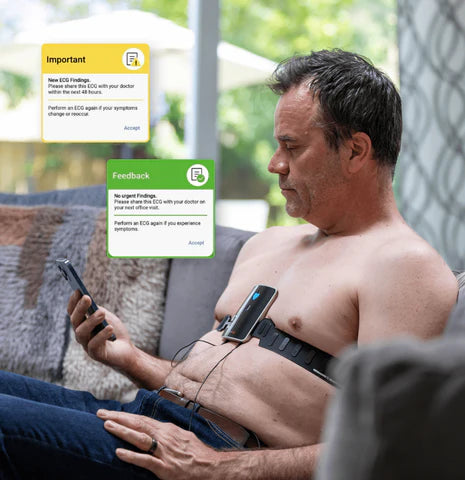
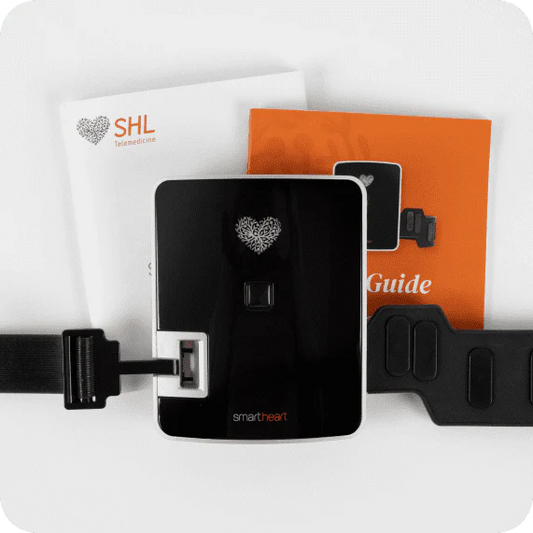
SmartHeart is an FDA-cleared, smartphone-paired portable 12-lead EKG built for practice-based pre-procedural use. It is operable by any trained clinical staff member, captures a clinical-grade tracing in under a minute, stores recordings securely in the cloud, and integrates into the sedation, dental, surgical, or pre-procedure workflow without a dedicated ECG technician or a cart.
Frequently asked questions
Is a pre-op ECG required for sedation dentistry?
Not for every patient. It is indicated based on patient risk profile, sedation depth, and procedure characteristics, in alignment with ADA, ASA, and ACC/AHA guidance.
Can a portable 12-lead EKG be used for pre-op clearance?
Yes — a clinically validated, FDA-cleared portable 12-lead EKG produces a diagnostic-grade tracing suitable for pre-procedural evaluation when interpreted by a licensed clinician.
Who can operate the device?
Any trained clinical staff member — MA, RN, NP, PA, hygienist trained in vitals, or physician — after a short onboarding.
Can we bill CPT 93000 for pre-op ECG?
Yes, when the device produces a clinically valid 12-lead recording and the clinician documents an interpretation and report consistent with CPT 93000 requirements. Confirm coverage rules with each payer.
Bring pre-op 12-lead ECG into your chair-side workflow
If your sedation, surgical, or pre-procedure practice wants pre-op clearance to happen in the room rather than at an outside lab, SmartHeart’s clinical team can map the workflow to your setting.
Learn more about SmartHeart for Healthcare Professionals →
SmartHeart is intended for use by trained healthcare professionals in clinical and practice-based settings. Clinical interpretation of ECG recordings is the responsibility of a licensed clinician. SmartHeart is FDA-cleared for 12-lead electrocardiogram recording.