For occupational medicine, employer-sponsored clinics, on-site workplace health programs, and DOT/medical-examiner workflows.
Cardiac screening is increasingly part of workplace health
Cardiovascular disease remains the leading cause of preventable disability and workplace lost time in the United States. Employer health programs — on-site clinics, near-site clinics, occupational medicine partners, and DOT medical examiner offices — have steadily expanded the scope of cardiac services they offer: baseline ECGs for high-risk roles, return-to-work clearance after cardiac events, DOT physicals for commercial drivers, and pre-placement evaluations for physically demanding jobs.
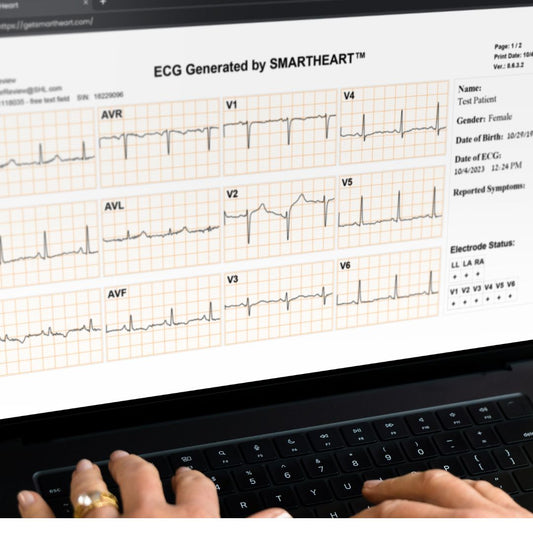
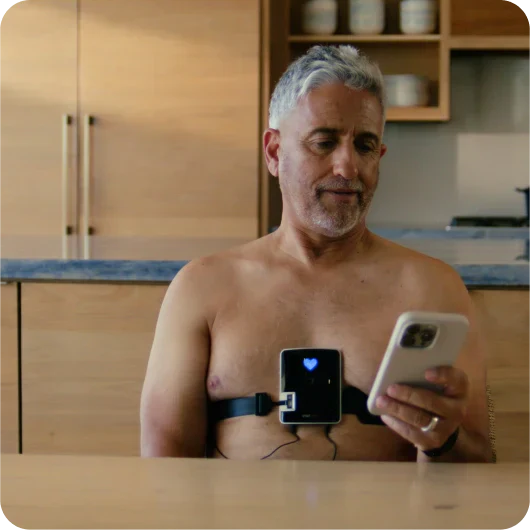
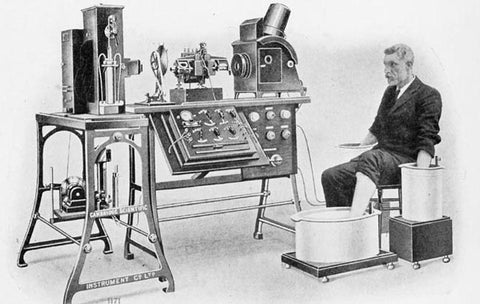
Historically, the 12-lead ECG was the part of that workflow most likely to be outsourced. A portable, wireless 12-lead EKG operated by trained clinical staff puts that test back inside the on-site clinic.
Use cases that drive ROI for workplace cardiac screening
- DOT medical examiner physicals. ECG is indicated for commercial drivers with cardiac history, abnormal exam findings, or evolving symptoms. An in-room 12-lead avoids referring the driver out and risking certification delay.
- Return-to-work after a cardiac event. Baseline ECG, comparison to pre-event tracing, and documented clearance can support the safe return decision and the workers’ compensation file.
- Pre-placement and fitness-for-duty exams. For physically demanding roles (firefighters, law enforcement, utility workers, transportation, manufacturing), a baseline 12-lead ECG is a low-cost addition to the standard exam.
- On-site clinic chest pain triage. A 12-lead ECG at the on-site clinic can support a rapid disposition decision — reassure and continue work, send to occupational PCP follow-up, or activate EMS.
- Hypertension and metabolic syndrome programs. Baseline ECG complements blood pressure, lipid, and A1C screening in chronic disease management programs.
- Pre-travel medical clearance. Some employers require cardiac clearance before deployment to remote or high-altitude work locations.

Why portable 12-lead EKG fits workplace clinics
Workplace clinics have a specific operational profile: limited dedicated clinical space, broad service mix, mixed staffing models (NPs, PAs, RNs, MAs), and a strong premium on throughput. The traditional 12-lead ECG cart is poorly matched to that profile. A portable, wireless 12-lead EKG fits the constraints directly:
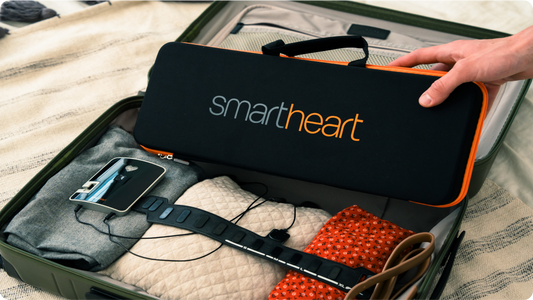
- Small footprint. No cart, no dedicated ECG room.
- Battery-powered. No wall outlet wrestling in convertible clinical spaces.
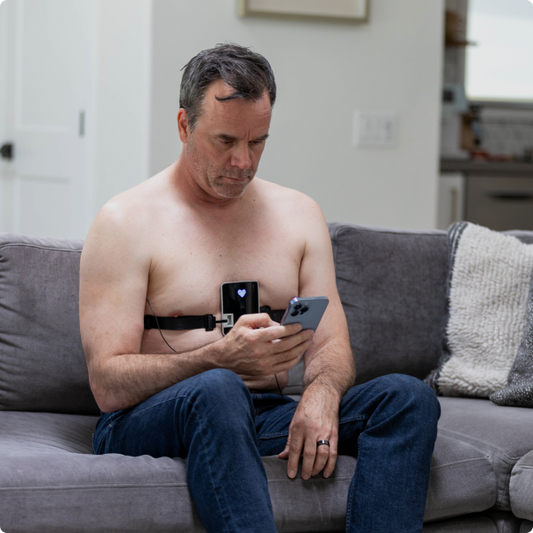
- Smartphone or tablet display. The device the clinic already uses.
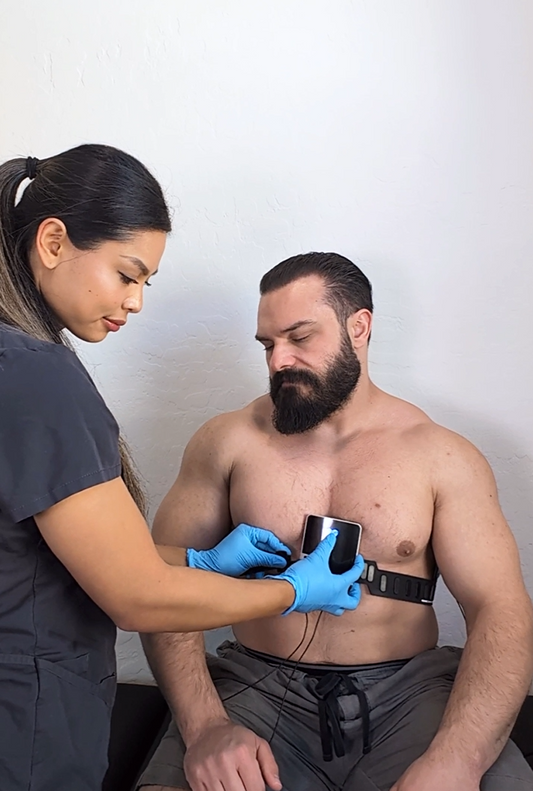
- Operable by any trained clinical staff member. No dedicated ECG technician.
- Wipeable and infection-control friendly. Important in shared workplace settings.
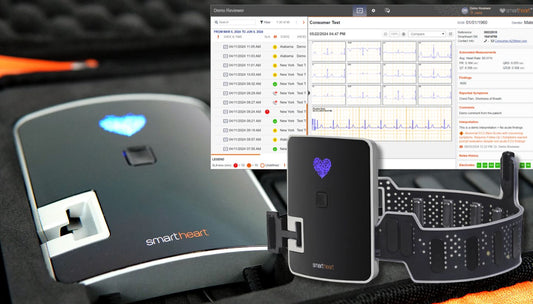
- Cloud-based documentation. The tracing travels with the clearance letter to the employer or occupational PCP.
Building the in-house cardiac screening program — a practical outline
- Define indications. A short clinical protocol document for when an ECG is offered: DOT criteria, return-to-work pathway, pre-placement triggers, symptomatic walk-ins.
- Designate operators. Identify clinical staff (MA, RN, NP) trained to capture the recording. Build the short onboarding into existing clinical education.
- Document the workflow. Intake form, ECG capture, clinician interpretation, employer-appropriate documentation — with role-based access in the system.
- Set escalation rules. What constitutes a tracing requiring same-day cardiology curbside, EMS, or referral to the employee’s PCP.
- Capture appropriate codes. CPT 93000 family applies when the in-house clinician documents an interpretation and report; check employer payment terms.
- Review program quarterly. Volume, escalation rate, clearance turnaround, and worker satisfaction.
Documentation and employer reporting considerations
Workplace cardiac screening has a documentation profile distinct from primary care. Practical defaults:
- PDF tracing in the employee chart with timestamp and clinician signature.
- De-identified summary or clearance letter to the employer when appropriate.
- HIPAA-compliant infrastructure with role-based access; cardiac recordings sit in the clinical chart, not in HR systems.
- Clear separation between fitness-for-duty determinations and the underlying clinical data.
- Workers’ compensation case files include the relevant tracing when the ECG is part of a comp claim workflow.

Common operational concerns
Multi-site clinics
Wireless 12-lead EKG devices travel between sites without the logistics of a cart. Cloud storage gives every site read access to the same patient’s longitudinal tracings.
High-throughput days (hiring waves, annual exams)
Short onboarding for additional clinical staff allows the team to flex up without renting a cart or scheduling an outside ECG tech.
Mobile / on-the-road occupational medicine
Battery-powered, wireless 12-lead EKG works in mobile exam vehicles, employer-site visits, and remote operations.
Where SmartHeart fits
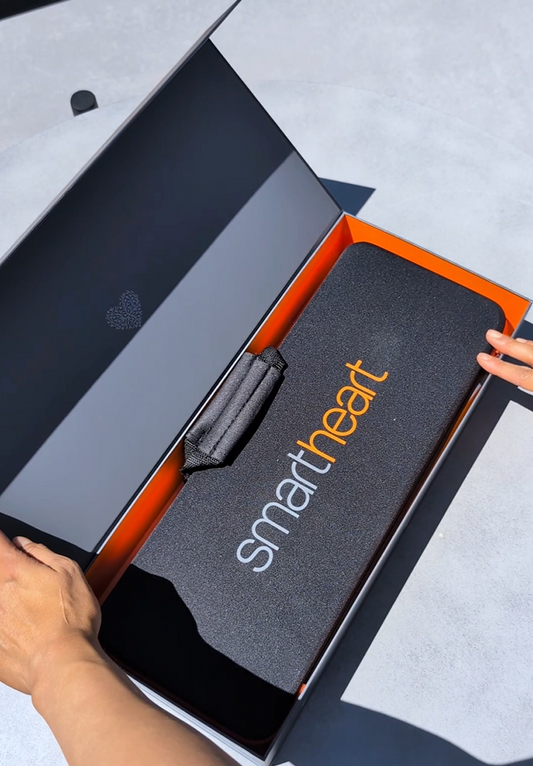
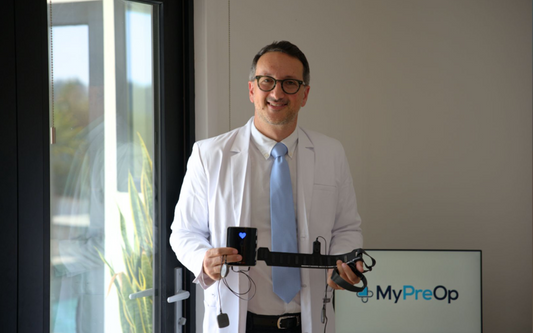
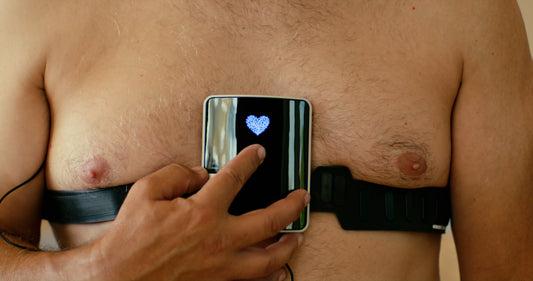
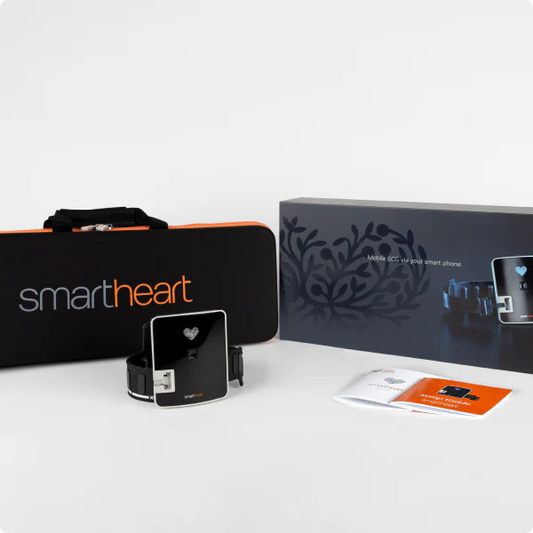
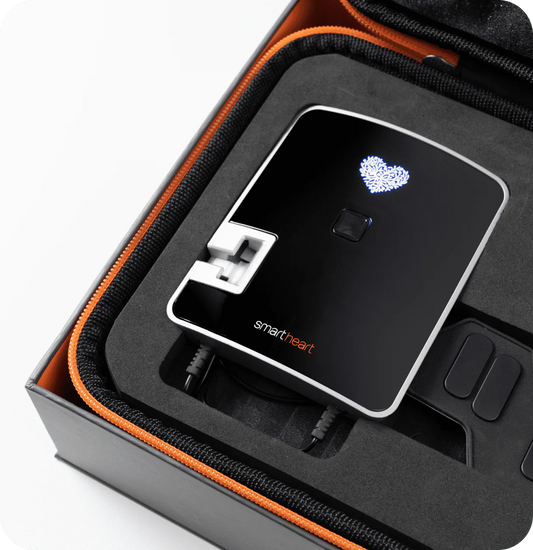
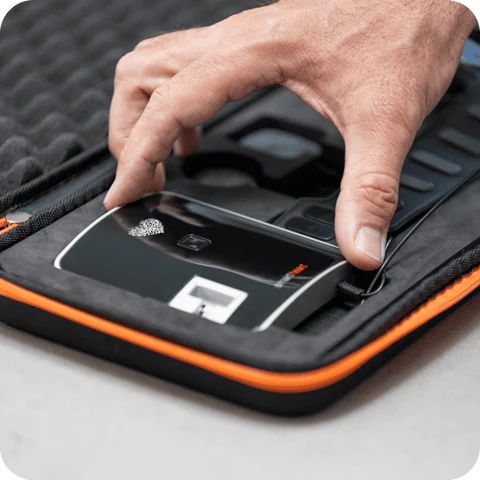
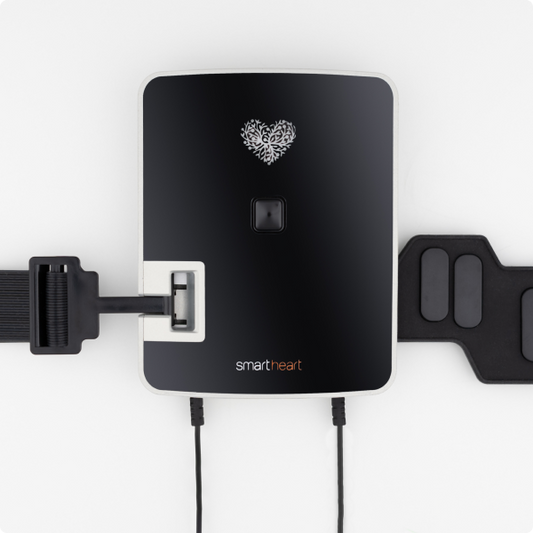
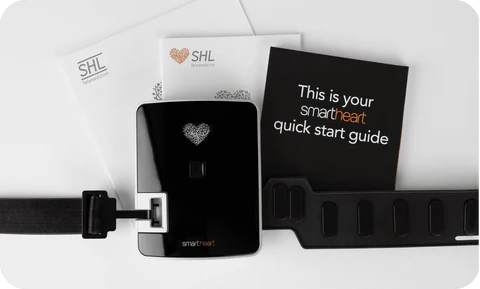
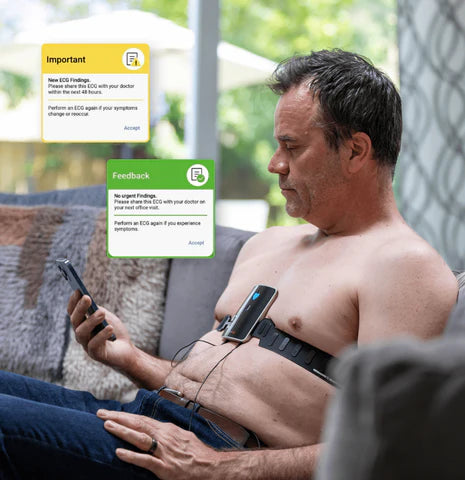
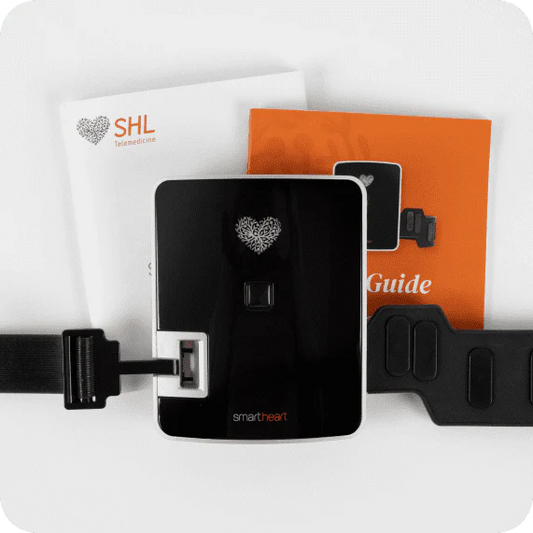
SmartHeart is an FDA-cleared, smartphone-paired wireless 12-lead EKG built for practice-based clinical use, including workplace health and occupational medicine. It captures a clinical-grade 12-lead tracing in under a minute, stores recordings securely in the cloud, and is operable by any trained clinical staff member across on-site, near-site, and mobile occupational health settings.
Frequently asked questions
Can a portable 12-lead EKG be used for DOT physicals?
An FDA-cleared, clinically valid 12-lead EKG can support DOT medical examiner workflows when an ECG is clinically indicated and the certified examiner reviews and documents the tracing.
Do on-site clinics bill CPT 93000?
Workplace clinic billing varies by employer arrangement. CPT 93000 applies when the clinician documents an interpretation and report; reimbursement may be employer-paid, payer-paid, or fee-for-service depending on the contract.
Is a baseline ECG useful for healthy workers?
A baseline tracing is a useful comparator if the worker later develops symptoms or has a cardiac event. The clinical decision to obtain one should consider role demands, comorbidity, and program objectives.
Who can operate the device?
Any trained clinical staff member after a short onboarding — MA, RN, NP, PA, or physician.
Bring 12-lead ECG into your workplace clinic
If your occupational medicine, employer-sponsored clinic, or on-site workplace health program is building an in-house cardiac screening capability, SmartHeart’s clinical team can map the workflow to your setting.
Learn more about SmartHeart for Healthcare Professionals →
SmartHeart is intended for use by trained healthcare professionals in clinical and practice-based settings. Clinical interpretation of ECG recordings is the responsibility of a licensed clinician. SmartHeart is FDA-cleared for 12-lead electrocardiogram recording.