For physicians, NPs, PAs, and clinical operations leaders evaluating wireless ECG machines for clinical use.
The cable problem nobody talks about
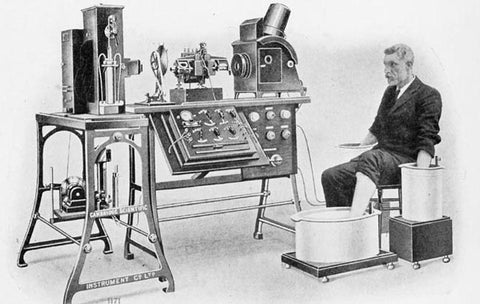
The traditional 12-lead ECG cart has a workflow tax that clinical leaders rarely quantify until they replace it. The patient cable is the failure point. Leads tangle, break, drift on the floor, get yanked when the patient shifts, and slow setup by minutes per study. The cart itself — wheeled, wired to mains power, and tethered to the room — makes the test feel like a small procedure rather than a routine in-room measurement.
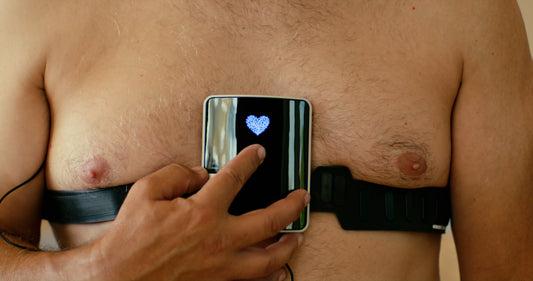
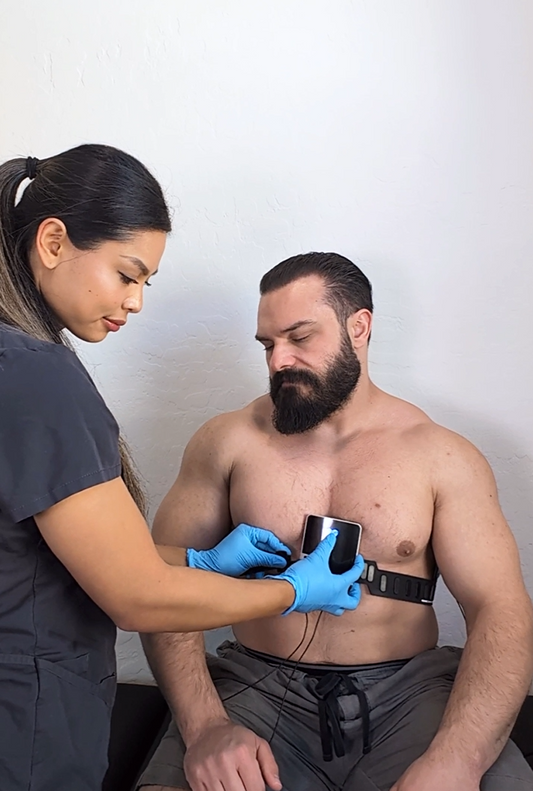
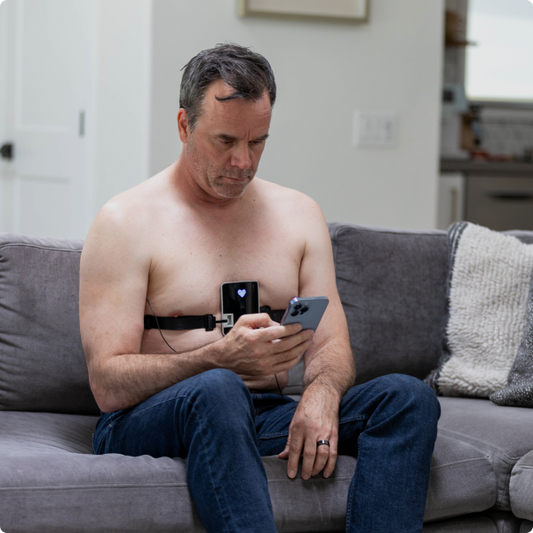
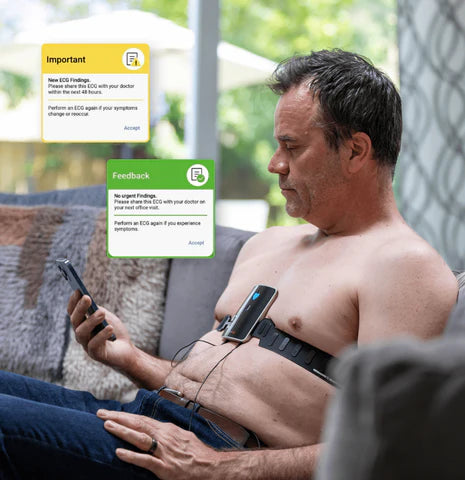
Wireless 12-lead ECG technology removes that tax. By eliminating the cable trunk between the leads and the recording unit, and by pairing directly with a smartphone or tablet, modern wireless ECG machines turn a 12-lead from a deferred lab test into a sub-minute in-room workflow.
What “wireless” actually means in a clinical 12-lead ECG
“Wireless” is used loosely in cardiac diagnostics. For practice-based clinical use, the meaningful definition is:
- No cable trunk between the lead-acquisition unit and the recording/display unit. Signal is transmitted over Bluetooth or Wi-Fi.
- Battery-powered acquisition unit — no mains tether, no UPS, no AC outlet wrestling.
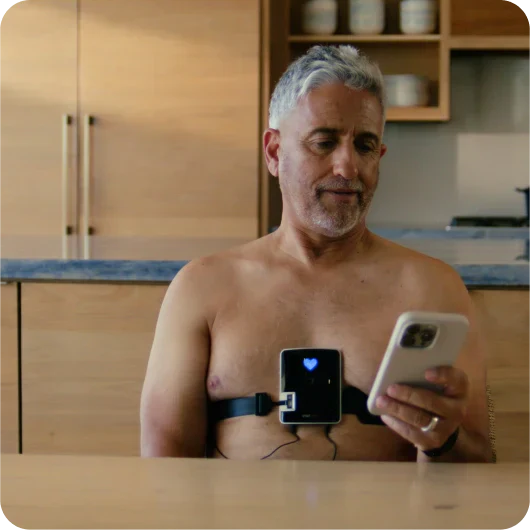
- Smartphone or tablet pairing for display, storage, and clinician review.
- Cloud-backed storage for sharing with cardiology, exporting to the EHR, and longitudinal patient tracking.
This is a meaningfully different category from a small “portable” cart that still uses a wired patient cable.

The clinical workflow benefits
The advantages of wireless 12-lead ECG in practice-based cardiology are concrete and reproducible across settings:
- Faster setup. Bluetooth pairing replaces cable management; placement is the only physical step.
- Cleaner signal in real-world rooms. Fewer cables means fewer triboelectric and motion artifacts from cable movement.
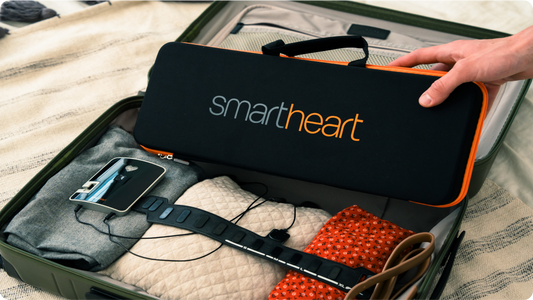
- Mobility. A wireless 12-lead ECG goes with the clinician — exam room to exam room, telehealth station to bedside, home visit to skilled nursing.
- Lower infection-control overhead. A small, wipeable device is easier to sanitize between patients than a cart with multiple cables and connectors.
- Cloud-native documentation. Recordings sync immediately, no manual upload step, and the tracing travels with the consult.
- No dedicated tech. Any trained clinical staff member can perform the study.
Are wireless 12-lead ECG recordings as accurate as wired carts?
Clinically validated wireless 12-lead ECG devices capture the same twelve simultaneous leads as a wired cart. Signal fidelity depends on the same fundamentals that apply to any ECG: skin preparation, electrode placement, patient positioning, and reduction of motion artifact. The wireless link, when implemented properly with appropriate sampling and digital filtering, does not by itself degrade diagnostic quality.
What changes is not signal quality but workflow quality. The clinical question to ask a vendor is not “is the signal good?” — it should be — but “is the device FDA cleared, is signal quality documented, and is the workflow built for the way clinicians actually work?”

Where wireless 12-lead ECG fits across practice settings
The settings where wireless 12-lead ECG produces the largest workflow change:
- Primary care — baseline ECGs, palpitation workups, pre-op clearance, AFib screening.
- Urgent care — chest pain triage, atypical presentations, fast disposition decisions.
- Home health and house-call medicine — bedside 12-lead ECGs for homebound and post-acute patients.
- Telehealth — store-and-forward 12-lead recordings to support virtual cardiac visits.
- Occupational and employer health — DOT physicals, return-to-work clearance, on-site cardiac screening.
- Sedation dentistry and surgical clearance — pre-procedural cardiac evaluation without a cart.
- Direct primary care (DPC) and concierge practices — in-house diagnostics without inflating overhead.
- Integrative and functional medicine — longitudinal cardiac tracking as part of a comprehensive plan.
- Wellness, weight management, and metabolic health practices — baseline and follow-up ECG monitoring during GLP-1 and other therapies.
What to look for when evaluating a wireless ECG machine for clinical use
- True 12-lead capture — twelve simultaneous leads, not derived or reconstructed.
- FDA clearance for clinical use, with documented signal quality.
- Operable by any trained clinical staff member, not just a dedicated ECG technician.
- Smartphone and tablet pairing on iOS and Android.
- Cloud storage with PDF export and EHR-friendly sharing.
- HIPAA-compliant infrastructure — encryption in transit and at rest, BAAs available, role-based access controls.
- Durable, wipeable hardware built for repeated daily clinical use.
- Optional AI-assisted interpretation as a clinician aid, never a replacement for clinical judgment.
Common operational concerns and how to address them
Battery anxiety
A clinically usable wireless 12-lead ECG should provide a full clinic day on a single charge and recharge via standard USB-C. Confirm with the vendor.
Bluetooth interference
Modern Bluetooth Low Energy implementations are robust in clinical environments. Confirm signal stability in your busiest exam rooms during the evaluation.
Lost or damaged devices
Smaller, mobile hardware introduces a new risk class. Address it with policies on storage, charging, and check-in/check-out across rooms.
Existing EHR integration
Confirm export formats (PDF, DICOM-WF, HL7/FHIR where relevant) before purchase. PDF-to-chart is a minimum.
Where SmartHeart fits
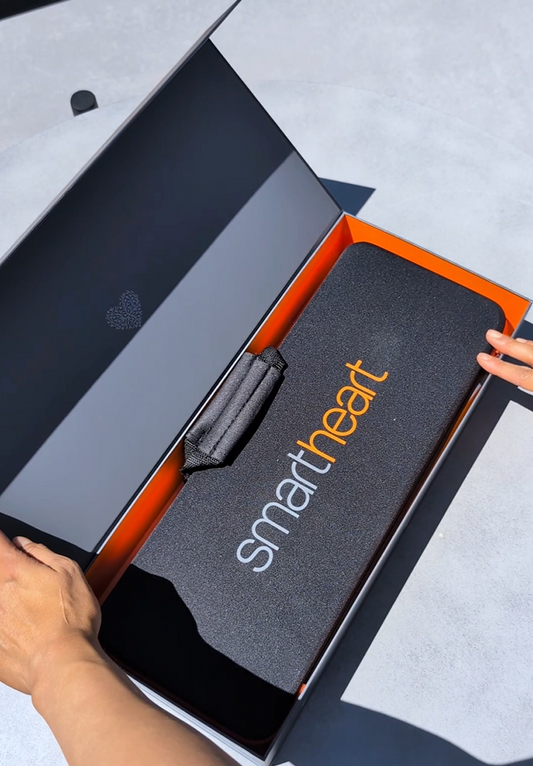
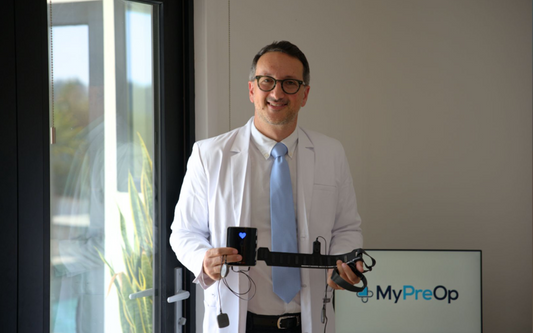
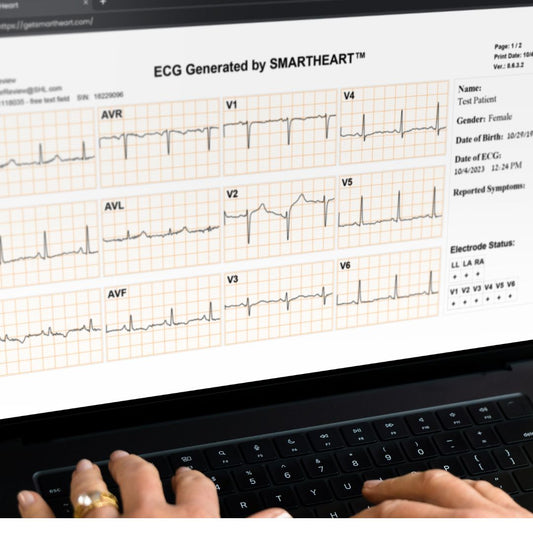
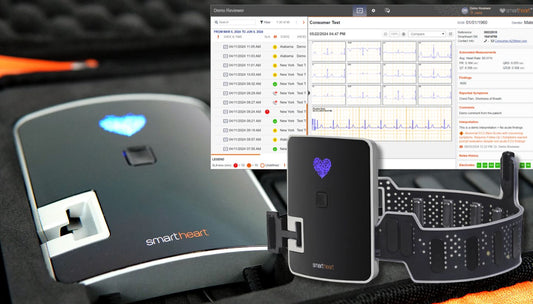
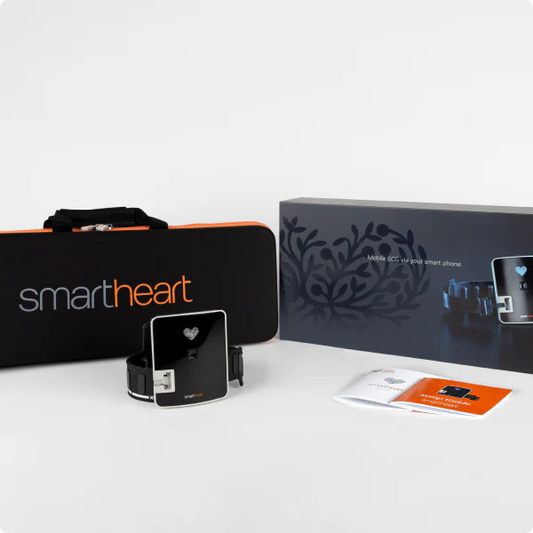
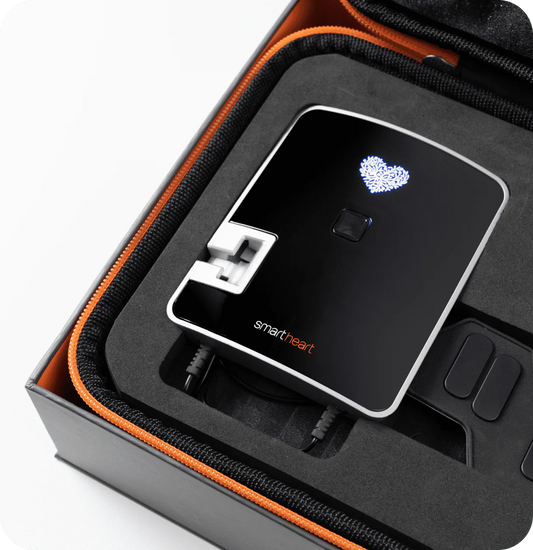
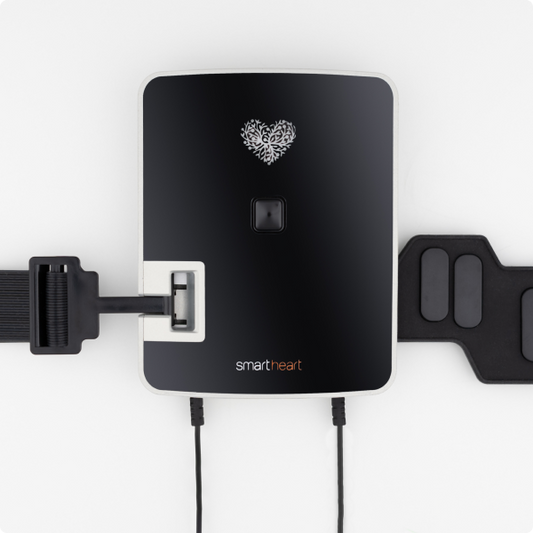
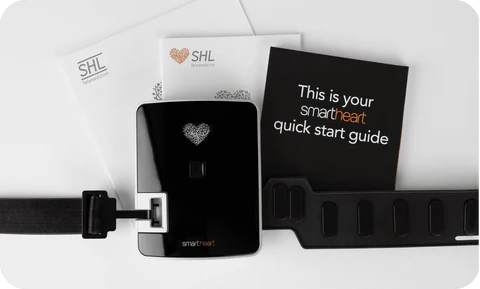
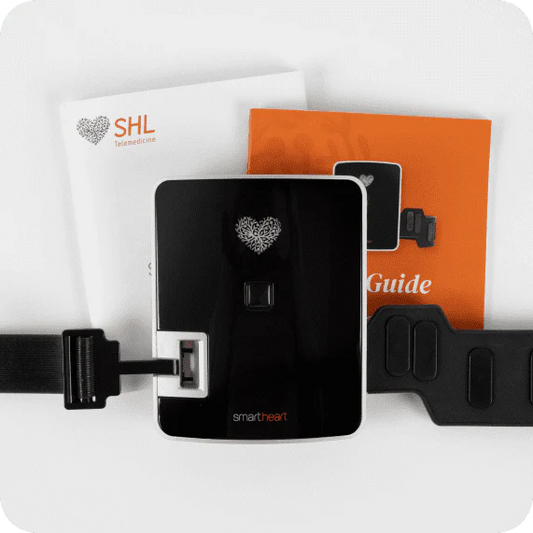
SmartHeart is an FDA-cleared, smartphone-paired wireless 12-lead EKG built for practice-based clinical use. It captures a clinical-grade 12-lead tracing in under a minute, stores recordings securely in the cloud, and is operable by any trained clinical staff member across primary care, urgent care, home health, telehealth, occupational health, sedation dentistry, DPC, wellness, and specialty practices.
Frequently asked questions
Is a wireless ECG machine as accurate as a wired one?
A clinically validated, FDA-cleared wireless 12-lead ECG produces a diagnostic-grade recording equivalent to a wired cart. Signal fidelity depends on placement and skin prep — the same as any ECG.
Do I need to retrain my staff?
Modern wireless ECG devices are designed so any trained clinical team member can place leads and capture a recording after a short onboarding.
Can I bill CPT 93000 with a wireless 12-lead ECG?
Yes, when the device produces a clinically valid 12-lead recording and the clinician documents an interpretation and report. Confirm coverage rules with each payer.
Will it integrate with my EHR?
Look for vendors that support PDF export and, where available, direct integration. PDF-to-chart is the practical baseline.
Bring wireless 12-lead ECG into your practice
If your practice is evaluating a wireless ECG machine or cordless 12-lead EKG, SmartHeart’s clinical team can walk through the workflow, integration, and reimbursement model that fits your setting.
Learn more about SmartHeart for Healthcare Professionals →
SmartHeart is intended for use by trained healthcare professionals in clinical and practice-based settings. Clinical interpretation of ECG recordings is the responsibility of a licensed clinician. SmartHeart is FDA-cleared for 12-lead electrocardiogram recording.