Bringing cardiac testing in-house can sound like a big step. For most practices, though, the thing holding it back isn't cost or clinical need - it's a set of assumptions formed years ago, when in-office EKG really did mean a dedicated room, a trained technician, and a cart full of cables.
The technology has changed. Here are three myths worth reconsidering before you send the next EKG out.
Myth 1: "Running an EKG in-house is complicated."
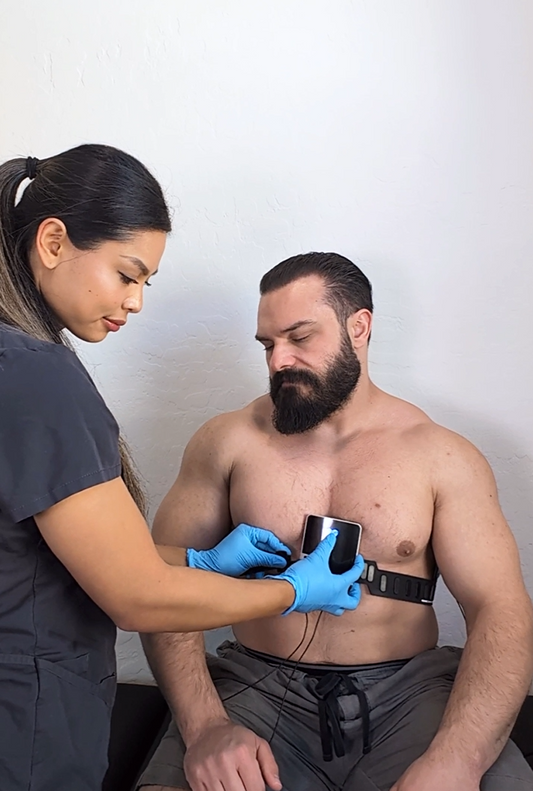
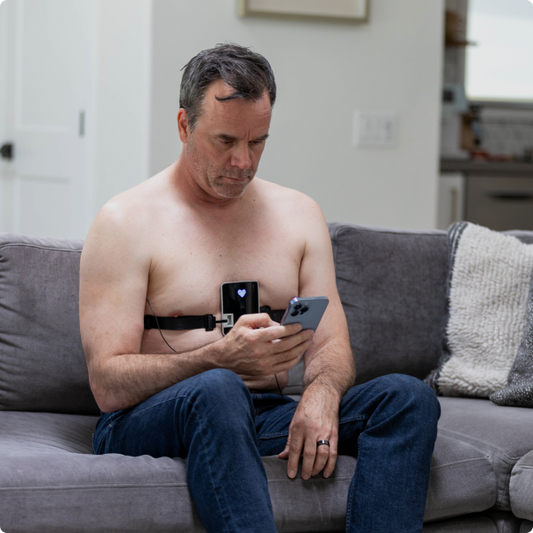
Reality: it's one touch.
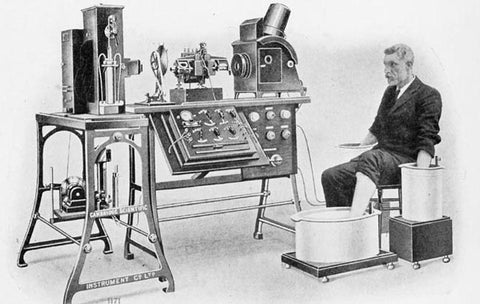
The traditional 12-lead workflow is where this myth comes from - ten individual electrodes, gel, careful lead placement, and a staff member trained to get it right. Misplace a lead and you get an artifact-filled tracing that isn't worth reading.
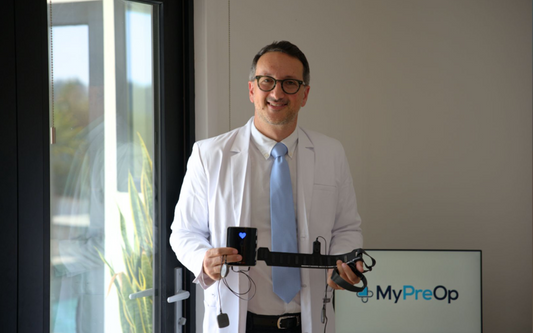
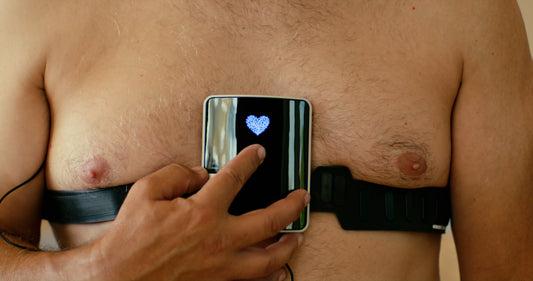
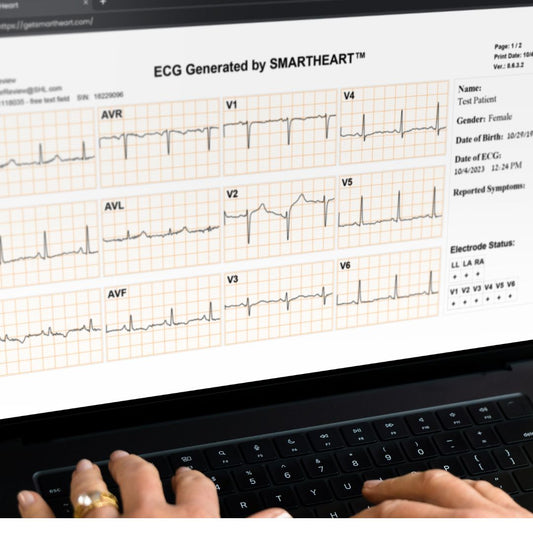
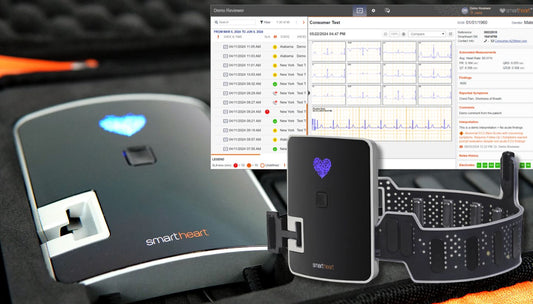
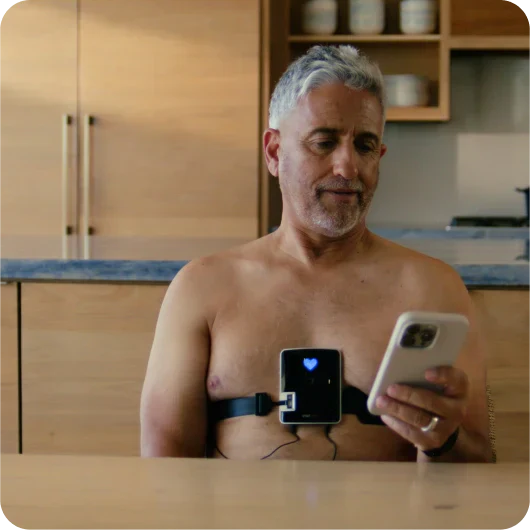
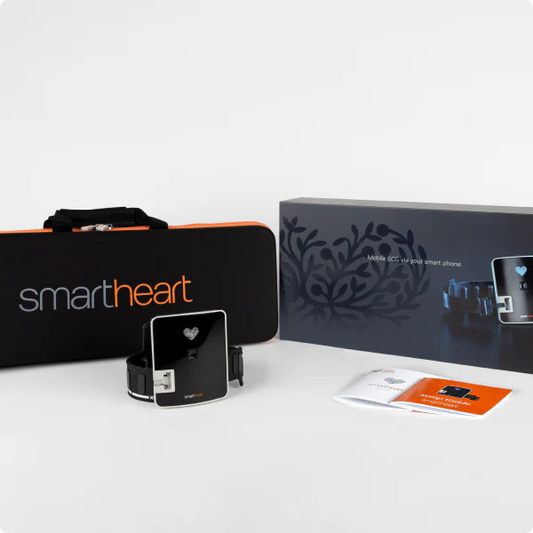
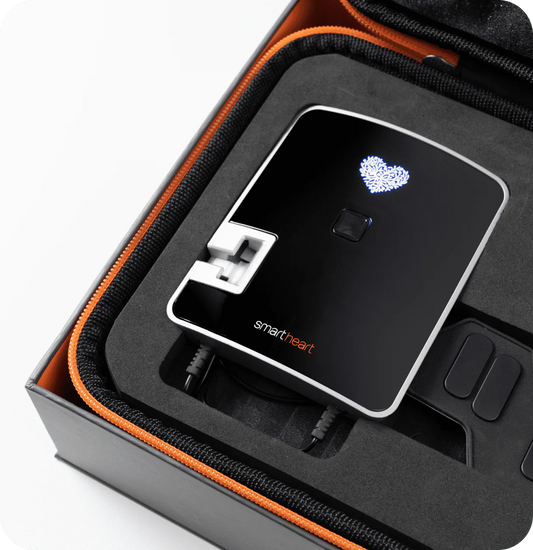
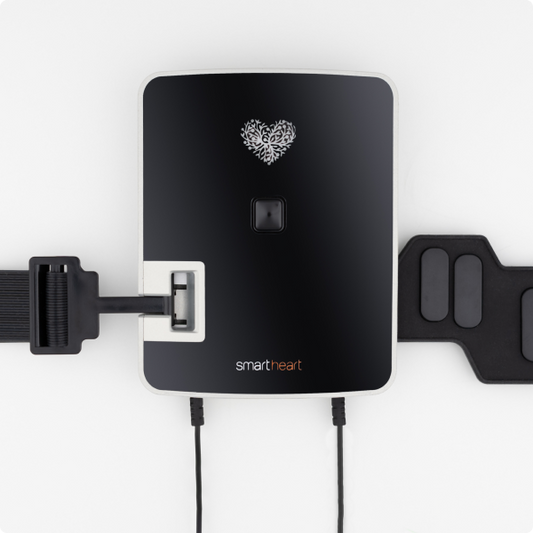
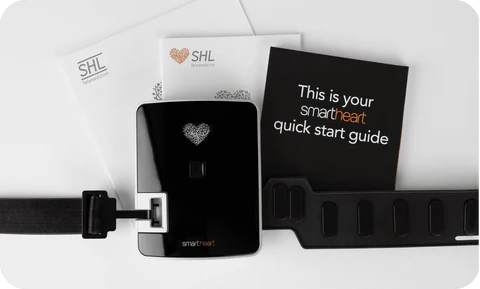
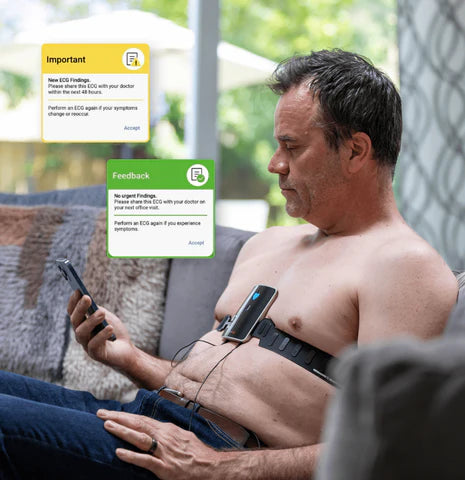
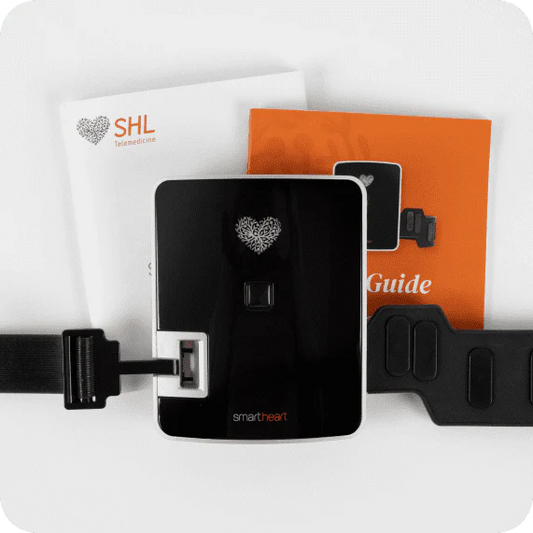
SmartHeart replaces that with an adaptive-fit belt whose embedded electrodes adjust for body type, size and gender, capturing the six precordial leads, plus three body-contact electrodes for the limb leads. Any staff member can capture a hospital-grade 12-lead EKG in about 30 seconds, guided step by step through the app. No training, no certification, no EKG technician needed.
SmartHeart is FDA 510(k) cleared for clinical use, and per SHL Telemedicine's validation data its recordings correlate greater than 0.95 against standard hospital EKG machines.
Myth 2: "You need a dedicated EKG room."
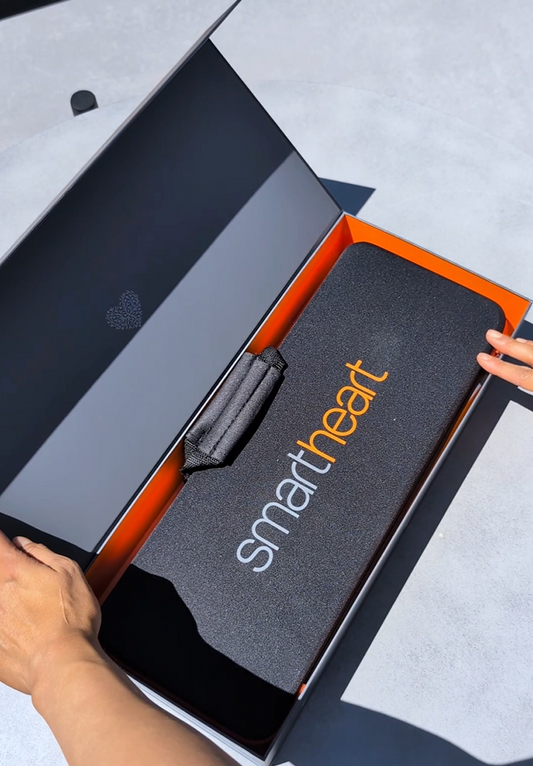
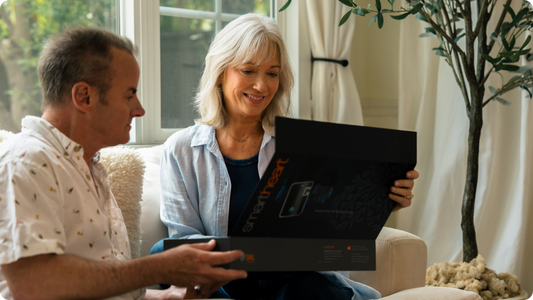
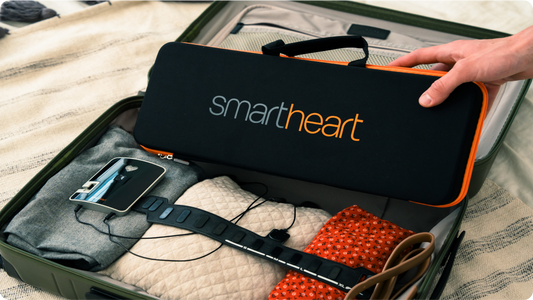
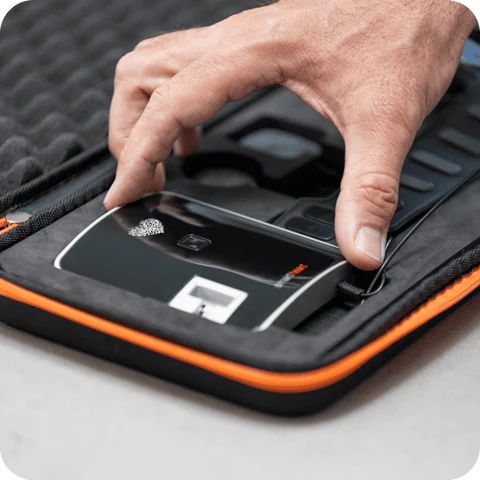
Reality: it fits in a drawer.
A conventional EKG cart is a room-planning decision. That's a real barrier for practices working out of three exam rooms, and an outright dealbreaker for anyone doing home visits, long-term care rounds, or occupational health on site.
SmartHeart weighs about a pound and pairs over Bluetooth with any iOS or Android device your staff already carries. It works in any exam room, at the bedside, or off-site entirely. There's no cart to wheel, no wall outlet to find, and no square footage to give up.
Myth 3: "You still need a specialist on hand to read it."
Reality: you're never reading it alone.
This is the myth that stops most primary care and specialty practices, and it's the most understandable one. Capturing a tracing is only useful if someone confident can interpret it - and few practices have a cardiologist down the hall.
Every SmartHeart EKG is reviewed by SHL's 24/7 telemedicine center, with unlimited preliminary reviews included in the subscription. When a tracing warrants a closer look, a full cardiologist interpretation is available on demand as a per-test add-on and comes back in 30 minutes or less.
The clinical decision stays with you - SmartHeart supports your judgment rather than replacing it. The second read is simply there whenever you want it.
What's actually left to decide
Strip away the three myths and the remaining question is a straightforward operational one: does keeping this test inside the practice serve your patients and your schedule better than referring it out?
For most practices the answer comes down to three things. Time to answer - an in-office EKG turns a multi-week referral loop into a same-visit result, which matters most for the patients you're least sure about. Follow-through - referred tests get skipped; tests done during the visit don't. Economics - an in-office 12-lead EKG is a billable procedure under CPT 93000, rather than revenue that walks out the door with the referral.
If your practice orders even a handful of EKGs a month, that arithmetic tends to answer itself.
The bottom line
The barriers that once made in-house EKG feel out of reach - the training, the room, the specialist - are largely gone. What's left is a simpler way to deliver cardiac care.
No room. No technician. No waiting.